Straight answers about trucks and the rules that run them.
Short, fact-checked explainers for working drivers and truck lovers, from the I Love My Rig page. A new one every day.
 Today
Newest explainer
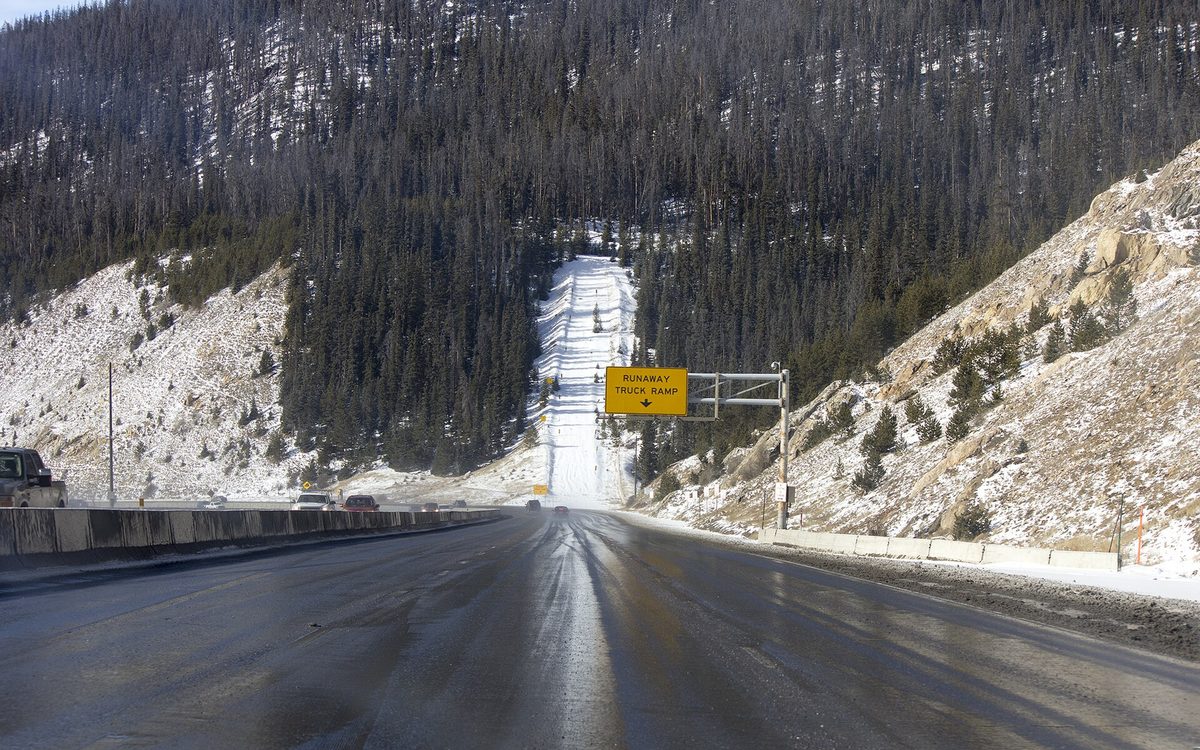
Why Are There Runaway Truck Ramps and How Do They Work?
Photo: Bidgee / CC BY-SA 3.0 au / Wikimedia Commons
Latest explainers
-
 How it works
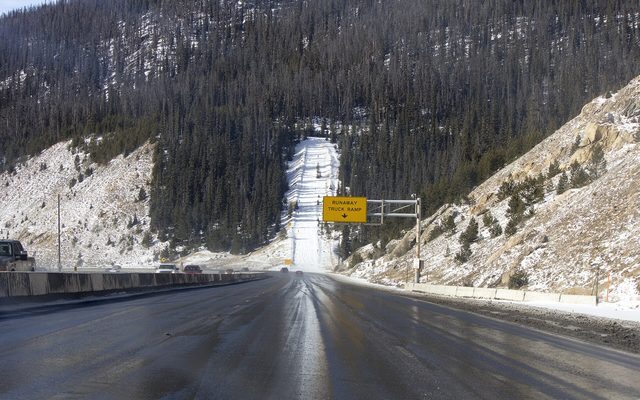
Why Are There Runaway Truck Ramps and How Do They Work?
Runaway truck ramps use deep loose gravel to slow a truck with faded brakes. Learn how they work, what to do if you use one, and how to avoid needing it.
Photo: Bidgee / CC BY-SA 3.0 au / Wikimedia Commons
-
How it works
Sliding Tandems: Which Way to Pull and Why It Works
Tandems over? Pull the tractor forward with trailer brakes set. Here's why that moves weight to your drives, and how to slide safely and legally.
-
 How it works
Why Semi Trucks Use Air Brakes Instead of Hydraulic Brakes
Semis use air brakes because the truck makes its own air, small leaks can be out-pumped, trailers hook up easily, and spring brakes act as a backup.
Photo: phot0geek / CC BY-SA 2.0 / Wikimedia Commons
-
 How it works
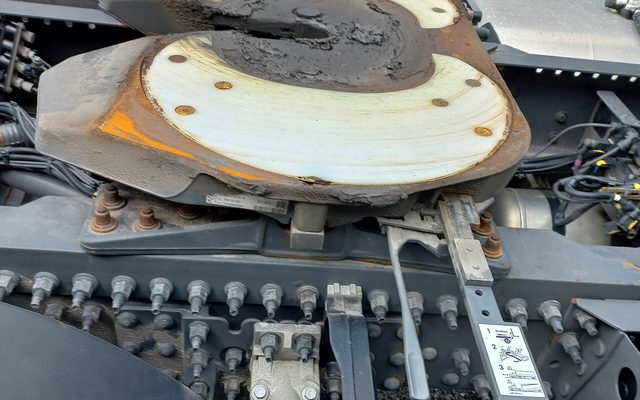
How a Fifth Wheel Locks a Trailer and How to Check It
The kingpin drops into the fifth wheel jaws and a spring lock wedges behind them. Here's how it works and the checks that prove the trailer is coupled.
Photo: Asurnipal / CC BY-SA 4.0 / Wikimedia Commons
-
Myth vs fact
Should You Idle a Diesel to Warm It Up in Cold Weather?
Idling a diesel for half an hour is mostly a myth. Learn what really warms a cold engine: block heater, short idle, gentle driving, winter fuel.
-
 Classic rigs
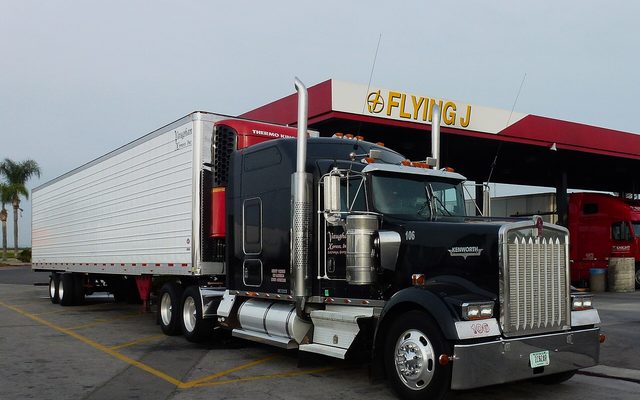
Kenworth W900: Why This Long-Hood Truck Became a Legend
The Kenworth W900 debuted in 1961 and kept its long hood and boxy grille for 60+ years. Here's why drivers still want one, and what it costs in wind.
Photo: Pierre André Leclercq / CC BY-SA 4.0 / Wikimedia Commons
-
 How it works
Do Trailer Side Skirts Really Save Fuel? What They Save
Side skirts cut drag under a trailer and typically save a few percent of fuel at highway speed. Here is the math, the catch, and who benefits.
Photo: Walmart / CC BY 2.0 / Wikimedia Commons
-
 Rules
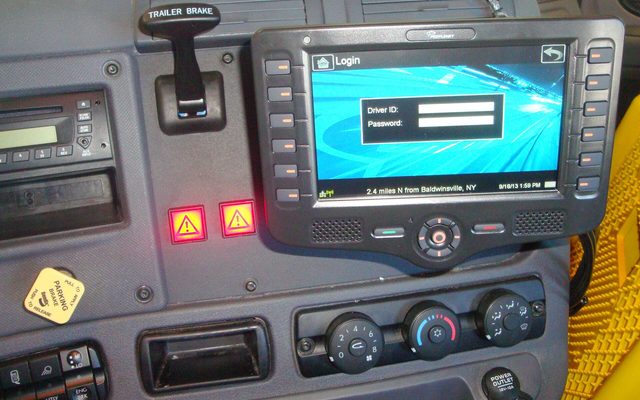
11-Hour vs 14-Hour Rule: How the Driving Clocks Work
The 11-hour rule counts driving only. The 14-hour rule is a window that never pauses. Here is how both work, plus the 30-minute break.
Photo: MobiusDaXter / CC BY-SA 3.0 / Wikimedia Commons
-
 How it works
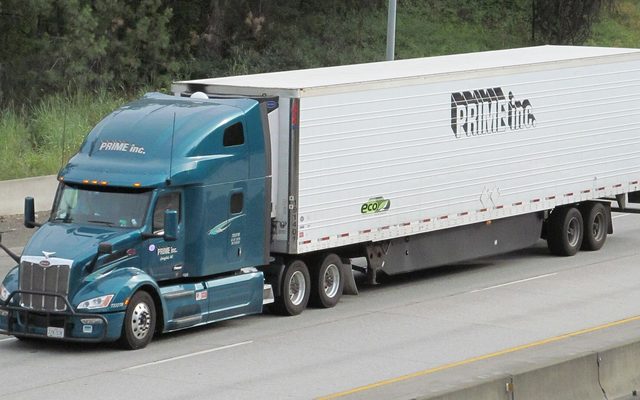
How a Reefer Trailer Keeps a Load Cold for Days
A reefer holds temperature, it doesn't create it. Learn how insulation, airflow and the unit's own fuel tank keep freight cold for days.
Photo: Ewkada / CC BY 4.0 / Wikimedia Commons
How much drive time do you have left?
Enter when you came on duty and how long you've driven. The calculator works out your 11-hour clock, your 14-hour window and when the 30-minute break is due.
Open the HOS calculatorHeading out? Print the pre-trip inspection checklist, or read the gear guides before you buy a dash cam, CB or cab fridge.
A new explainer every day
Follow I Love My Rig for a short Reel on trucks, rules and classic rigs each evening.